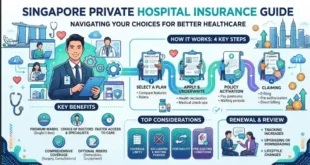
In Singapore, you can see a private hospital specialist without a referral, but you’ll pay more and wait less. Walk-in appointments at private hospitals often happen within days, while subsidized public routes can take weeks or months. This guide covers how to book, what it costs, and when the public system is the smarter choice.
What private specialist access in Singapore really means
A private hospital specialist in Singapore is a doctor who works at a private hospital — like Mount Elizabeth, Gleneagles, or Raffles — and you book them directly. No polyclinic referral needed. You call, you pay, you get seen fast.
It’s for anyone who wants speed, choice of doctor, or a specific consultant. It’s also for people with health insurance that covers private care.
The big misconception? That going private always means better treatment. The doctors are equally qualified — many work in both systems. What you’re really buying is convenience and shorter waits, not superior medicine.
One rule matters here: private hospitals in Singapore are licensed and regulated by the Ministry of Health (MOH). That means standards are checked, but your bill is your own. There’s no government subsidy on the private side.
How to book a private specialist, step by step
- Get a referral letter from your GP or polyclinic if you have one. It speeds things up, but it’s not required at private hospitals. Expect to pay for the letter — most GPs charge for it.
- Choose your specialist. Check the hospital’s website for the doctor’s subspecialty, years of practice, and where they trained. Pick someone who handles your exact problem, not just the general field.
- Call the hospital’s specialist clinic or book online. Ask for the earliest slot and confirm the doctor’s consultation fee before you commit.
- Prepare your documents. Bring your NRIC or FIN, insurance card, referral letter, and any past scans or test results. Missing scans often mean repeating tests you already paid for.
- Attend the consultation. First visits usually run 15 to 30 minutes. The doctor will examine you, review records, and order tests if needed.
- Get a cost estimate before any procedure. Ask for it in writing. Hospitals provide these on request.
- Decide on treatment and confirm what your insurance covers before scheduling anything.
The one judgement call that matters most: choosing the right subspecialist. A general surgeon and a colorectal surgeon both operate, but for a bowel issue you want the second. Getting this wrong costs you a second consultation and wasted time.
If your case needs surgery, licensing and hospital accreditation apply — the hospital handles that. For complex insurance claims, talk to your insurer’s panel team, not the hospital cashier.
Key numbers and settings at a glance
Costs and waits vary by hospital, doctor, and your citizenship status. The figures below are typical ranges — always confirm with the hospital, since fees change and each doctor sets their own.
| Situation | What to use | How long | What to watch for |
|---|---|---|---|
| Minor issue, first visit | Walk-in private clinic | Same day | Higher fee than polyclinic |
| Specific condition, no referral | Private hospital specialist | 1-7 days wait | No subsidy, full private rate |
| Referral from polyclinic | Public hospital specialist | Weeks to months | Subsidized rate, longer wait |
| Foreigner, any issue | Private hospital | Days | No MOH subsidy at all |
| Follow-up visit | Same specialist | Days to weeks | Repeat consultation fee applies |
| Emergency | A&E department | Immediate | Private A&E costs more than public |
| Second opinion | Different specialist | 1-2 weeks | You pay a fresh consultation fee |
What separates a smooth visit from a costly one
The people who get good outcomes prepare before they walk in. They gather every past scan, blood test, and discharge summary. They write down their symptoms with dates. They ask about costs upfront, in writing.
Beginners often skip this. They show up with nothing, the doctor orders tests they already did elsewhere, and they pay twice. That’s a real cost, not a small one.
Before you book
Check whether your insurance panel includes the doctor. If it doesn’t, you may pay out of pocket and claim later — or not at all. Confirm the doctor’s subspecialty matches your problem. Ask the clinic what the first consultation costs and whether scans are included.
During and after
Ask the doctor to explain the plan in plain words. Request the cost estimate before agreeing to any procedure. Keep every receipt and report — your insurer will want them. If something feels unclear, ask again. A good specialist won’t rush you.
Common problems and quick fixes
| What you notice | What it usually means | What to do first |
|---|---|---|
| Bill is higher than quoted | Extra tests or services added | Ask for an itemized bill |
| Insurance won’t pay | Doctor is outside your panel | Check your policy’s panel list |
| Long wait despite private | Popular doctor, full schedule | Ask for another specialist |
| Tests repeated | Records weren’t shared | Bring all past results next time |
| Confusing diagnosis | You need a clearer explanation | Request a second opinion |
An itemized bill lists every charge with a code next to it. Compare those codes against what you actually agreed to. If a line has no code, ask for it in writing before you pay anything. Most billing offices will correct an error at this stage rather than send the account to collections.
An insurer that refuses to pay usually names a reason on the rejection letter. Read that reason before you call anyone. If it says out of network, the fix is a different doctor, not a longer argument. If it says the service wasn’t covered at all, no appeal will change it.
Repeated tests are the costliest of these problems, and the easiest to prevent. Ask for copies of your results at every visit and keep them in one folder, paper or phone.
The rules that apply here
Private hospitals in Singapore operate under licences issued by the Ministry of Health. MOH sets the standards for facilities, staffing, and patient safety, and it publishes guidance on fees and billing. You can check a hospital’s licence status and read MOH’s cost and billing information on its official site.
Advertising rules also apply. Private specialists can’t make false claims about cures or outcomes, and MOH’s advertising guidelines govern what clinics can say.
If your case involves a complaint about care, you can raise it with the hospital first, then with MOH. For legal claims, you’ll need a lawyer — that’s outside what any hospital can handle for you. For insurance disputes, your insurer’s complaints process is the right route, not the hospital.
Keeping your records and follow-ups in order
Once you’ve seen the specialist, keep a simple file: the consultation summary, test results, receipts, and the treatment plan. Store digital copies in your phone or cloud so you always have them.
Follow-up timing depends on your condition and what the doctor advises — there’s no single rule. Ask at the end of your visit when to come back, and note the sign that means you should return sooner.
If you switch doctors, bring the full file. A new specialist who sees your history won’t repeat tests, and that saves you money.
Ask for the written plan before you leave the building. If the doctor says “come back if it gets worse,” ask what worse looks like in numbers: a fever above a certain mark, pain that wakes you, a symptom that lasts past a set number of days. Write that down while you’re still in the room.
Keep every receipt and lab slip, even the ones that look routine. If you change insurance or need reimbursement later, those papers are the only proof of what you paid and when.
Don’t rely on memory — records beat recollection every time.
When private access isn’t the right choice
If your condition is stable and cost matters more than speed, the subsidized public route through a polyclinic referral is cheaper. You’ll wait longer, but the care is sound.
If you have a genuine emergency, go to the nearest A&E — public or private — not a specialist clinic. Speed saves lives, and A&E is built for that.
If your issue is minor and self-limiting, a GP or polyclinic is enough. Booking a private specialist for a common cold wastes your money and their time.
The mistake people make is treating private access as a shortcut for everything. It’s a shortcut for one thing only: time to a named doctor. If what you need is a diagnosis, a scan or a procedure, the private clinic usually sends you to the same hospital labs and imaging centers the public route uses. You pay a concierge fee for the queue, not for different medicine.
So ask one question before you book. Am I buying speed, or am I buying expertise I can’t get elsewhere? If it’s speed on a stable problem, the public route wins on cost. If it’s a named specialist for something rare or complex, private access earns its price.
Frequently asked questions
Can I see a private hospital specialist without a referral?
Yes. Private hospitals in Singapore let you book directly, no referral needed. You’ll pay the full private rate with no subsidy. A referral letter still helps — it gives the specialist your history and can speed up the visit. But it’s optional, not required.
How long do I wait for a private specialist appointment?
Usually 1 to 7 days for a first visit, depending on the doctor’s schedule. Popular specialists may take longer. This assumes a non-emergency case. For urgent problems, go to A&E instead of waiting for a clinic slot.
Is private hospital care in Singapore safe?
Yes. Private hospitals are licensed and regulated by the Ministry of Health, which sets facility and safety standards. The doctors are qualified and often work in public hospitals too. Safety isn’t the difference — cost and waiting time are.
What happens if my insurance doesn’t cover the specialist?
You pay out of pocket and can try claiming later, but only if your policy allows it. Check your panel list before booking. If the doctor isn’t on it, you may get little or nothing back. Call your insurer first.
How much does a first consultation cost?
It varies by doctor and hospital, so no single figure fits. Specialists set their own fees, and complex cases cost more. Ask the clinic for the exact fee before you book. Hospitals provide cost estimates on request.
Can foreigners use private hospitals in Singapore?
Yes. Foreigners can book private specialists directly. There’s no MOH subsidy for non-residents, so you pay the full private rate. Bring your passport, insurance details, and any medical records. Travel insurance may cover part of the cost — check your policy.
Conclusion
If you’re unsure which route fits your situation, call the hospital’s clinic and ask what a first visit would cost for your condition. They’ll usually give you a rough figure and the earliest slot. From there, you can decide with real information instead of guesswork.