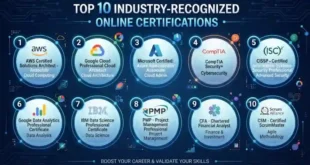
The 10 Best Online Certifications for Working Adults provide a clear path to career advancement by focusing on high-demand skills that employers verify through recognized industry standards. Choosing the right program depends on your current role and long-term goals, as technical certifications offer immediate salary potential while management credentials prepare you for leadership transitions. If you seek rapid entry into a new field, prioritize stackable credentials; if you want to climb your current ladder, focus on specialized certifications that demonstrate advanced expertise.
10 Best Online Certifications for Working Adults
The value of a certification depends on how well it aligns with your specific industry needs and the time you can commit to study.
| Method | How long | Effort | Cost | Best for |
|---|---|---|---|---|
| Self-paced digital | 3–6 months | Medium | Low | Career pivoters |
| University-led | 6–12 months | High | High | Management roles |
| Vendor-specific | 1–3 months | High | Medium | Technical roles |
| Bootcamps | 3–9 months | Very high | High | Skill mastery |
Note: The timeframes above assume 10–15 hours of weekly study; this varies by model — check the label for exact credit requirements.
Choose self-paced digital options if you’re currently employed and need flexibility. These programs allow you to pause during busy work cycles without losing progress.
If you’re aiming for a promotion, opt for university-led programs. These carry more weight with HR departments that prioritize formal academic credentials.
Avoid vendor-specific tracks if you lack foundational experience. These certifications often assume you already understand the underlying architecture, leading to failure if you skip the basics.
Use this decision rule: if you need a job immediately, choose a bootcamp. If you want long-term salary growth, invest in a university-led certification instead. The cost of a mistake here is often six months of wasted tuition and lost time.
Specialized technical skill training
To master a specific tool or language, vendor-specific certifications are the gold standard for IT professionals. You start by selecting the platform you use daily, such as cloud architecture or data analytics.
- Create an account with the vendor portal to track your progress.
- Purchase the official study guide and practice exam bundle.
- Dedicate 12 hours per week to video lectures and lab simulations.
- Schedule your proctored exam at an authorized testing center.
These programs are excellent for proving you can handle complex systems, as employers often require them for specific job functions. The mistake most people make is skipping the lab simulations to save time. This shortcut costs them the ability to apply theory during the hands-on portion of the exam, where you must resolve live configuration errors under a strict clock.
If you’re a beginner, prioritize foundational certifications like AWS Cloud Practitioner or Azure Fundamentals. If you have two years of field experience, skip straight to associate-level exams. This isn’t for those who prefer broad management theory. These tests are strictly about implementation and troubleshooting. If you can’t explain the “why” behind a specific command, you aren’t ready to test.
Academic professional certificates
University-led programs offer a deeper theoretical foundation and carry the prestige of a recognized institution. You should look for programs that offer credit toward a future degree, which is a smart trade-off if you plan to return to school.
- Verify the university’s regional accreditation status via the U.S. Department of Education database.
- Apply for the specific certificate track, such as project management or business analytics.
- Complete the required 4–6 courses, usually lasting 8 weeks each.
- Submit a final capstone project to earn your credential.
These certificates are perfect for professionals aiming for mid-level management, as they emphasize strategy over rote memorization. If you’re in a hurry, however, these might feel slow because they follow a strict semester calendar. You must ensure the program is accredited, as non-accredited certificates often hold zero weight with corporate human resources departments.
The primary mistake applicants make is confusing “continuing education” units with academic credit. If your goal is a master’s degree, confirm in writing that the certificate credits are “degree-applicable” rather than “non-credit.” If the program is listed under the university’s professional studies wing, it may not count toward a graduate degree. Always check the registrar’s transfer policy before paying your deposit.
Accelerated career bootcamps
Bootcamps focus on high-intensity skill acquisition, often moving from zero to job-ready in under a year. They’re designed for those who need to change careers quickly and can commit to a rigorous schedule.
- Choose a specialization, such as web development or cybersecurity.
- Complete the mandatory pre-work module to ensure foundational knowledge.
- Attend live, remote classes for 20 hours per week for 6 months.
- Work with the career services team to polish your resume and portfolio.
The strength of these programs is the portfolio you build, which serves as proof of your capability to future employers. A major limit is the high cost of entry compared to other methods, which makes this a significant financial commitment.
If you have a full-time job, you must be careful. If your current employer demands more than 30 hours of your week, don’t enroll in a full-time cohort. Instead, seek a part-time track. The most common mistake is overestimating your capacity, which leads to burnout and failure to complete the final project. If you can’t dedicate at least 15 hours of deep, uninterrupted focus weekly, you’ll likely miss the technical milestones required for graduation.
Which one should you use?
Choosing the right certification path requires balancing your current career stage with your desired outcome. If you’re in a hurry, vendor-specific technical certifications are the best choice because they’re modular and allow for fast testing cycles.
When you’re doing this for the first time, university-led programs win because they provide structured support and clear guidance from faculty, helping you avoid the common pitfalls of self-study. Beginners often underestimate the isolation of independent learning, which leads to a 40% higher dropout rate compared to cohort-based models.
If you want the best possible result whatever it takes, opt for high-intensity bootcamps. They provide the most robust portfolio and direct industry connections, even though they require the highest investment of time and money.
The main trade-off is between speed and depth. Technical certifications give you immediate, narrow skills that are easy to verify. University programs provide a broader, more stable foundation that lasts longer as your career evolves.
Bootcamps sit in the middle, offering extreme speed but demanding total focus. Use this decision rule: if you need a job in under three months, choose the vendor certification. If you’re pivoting careers entirely, choose the university program to build a professional network.
Always check the specific requirements for your target job title. Some companies explicitly state which certifications they prefer in the “preferred qualifications” section of a posting. If you see a specific vendor name listed, prioritize that path above all others to bypass automated screening filters.
The rules that apply whichever way you choose
Regardless of the method you pick, success depends on following a few universal standards. First, always confirm that your chosen program is recognized by the industry body that governs your field, as some certifications are merely marketing tools with no real authority.
Partway through your program, test your retention by taking an unofficial practice exam. This helps you identify weak spots before the final, graded assessment. At the end, ensure you receive a digital badge or certificate that can be added to your professional profile, as this is how recruiters verify your status. If you’re using these to qualify for regulated work, such as in finance or healthcare, ensure you’re aware of the legal requirements for continuing education. If you’re unsure about the legitimacy of a provider, contact the professional association for your industry; they often have a list of approved or recommended training partners. This ensures that your time and money result in a credential that actually helps you land the next job.
Frequently asked questions
Can I finish an online certification while working full-time?
Yes, most programs are designed for working adults and offer flexible, asynchronous learning options. You can typically complete your coursework in the evenings or on weekends, provided you manage your schedule effectively. If you’re working more than 40 hours a week, look for programs that allow you to extend the deadline, as this prevents burnout and helps you maintain the quality of your learning.
How long does it take to get certified?
Most certifications take between 3 and 12 months, depending on the intensity of the program. Technical certifications are often the fastest, sometimes taking just a few weeks of intensive study, while university-led certificates follow a longer academic calendar. Always check the specific curriculum requirements for your chosen program, as these estimates vary by model and individual study speed.
Is it safe to provide my personal information to these websites?
Yes, provided you choose programs hosted by accredited universities or verified industry vendors. You should always check for a secure connection—look for the padlock icon in your browser—and read the privacy policy to understand how your data is handled. If you’re unsure about a company, search for its physical office address and official accreditation status before sharing any payment details.
What happens if I fail the final exam?
Most providers offer a retake policy, though some may charge a small fee for the second attempt. If you fail, you should review your performance report to see which areas need improvement before you schedule your next attempt. Many students find that taking a short break to refresh their knowledge helps them pass on the second try.
How do I know if a certification is worth the money?
You can determine value by researching whether the certification appears in job descriptions for your target role. If major companies in your industry list the credential as a “preferred” or “required” qualification, the return on investment is likely high. Avoid programs that don’t have a clear link to job market demand or that lack recognition from industry leaders.
Final Thoughts
Investing in your professional growth isn’t just about adding a badge to your resume; it’s about opening doors to new opportunities. Don’t wait for the perfect moment to start. Pick one program that aligns with your ambitions today, and you’ll be well on your way to reaching your next career milestone.