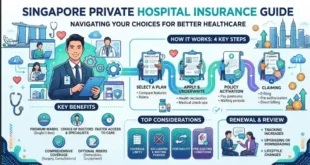
Navigating the healthcare landscape in a foreign country can be daunting, but understanding how to access a Singapore hospital medical care guide will ensure you remain prepared for any health eventuality. Whether you’re an expatriate, a tourist, or a long-term resident, you can expect to pay for a standard general practitioner consultation between $30 and $100, while a specialist consultation at a private hospital typically ranges from $150 to $400. Understanding these costs and the local infrastructure is essential for maintaining your well-being while navigating the city-state’s highly efficient system.
Key Takeaways
- Always carry your identification and insurance documents when visiting any medical facility.
- Distinguish between public hospitals for subsidized care and private hospitals for premium, faster services.
- Use the “HealthHub” portal to manage your medical records and track your appointments digitally.
- Emergency services can be reached by dialing 995 for life-threatening conditions.
- Verify whether your specific insurance plan covers the hospital you choose before admission.
Public versus Private Hospital Systems
Singapore operates a dual-tier system. Public hospitals are government-linked institutions that provide high-quality care, often at more affordable rates for citizens and permanent residents. Private hospitals focus on comfort, speed, and personalized service, often catering to international patients and those with comprehensive private health insurance.
| Feature | Public Hospitals | Private Hospitals |
|---|---|---|
| Waiting Times | Moderate to Long | Short |
| Cost Efficiency | High | Lower (Premium pricing) |
| Facilities | Comprehensive/Academic | Luxury/Hotel-like |
| Accessibility | High (Island-wide) | Selective (Central/District) |
Understanding Emergency Medical Services
In a genuine medical crisis, every second counts. If you experience chest pain, severe difficulty breathing, or significant trauma, you must dial 995 immediately to reach the Singapore Civil Defence Force for an ambulance. They will transport you to the nearest public emergency department capable of handling your specific condition.
Warning: Don’t attempt to drive yourself or take a taxi if you’re experiencing a life-threatening emergency, as paramedics provide essential life-saving interventions during transport that a standard vehicle can’t offer.
Essential Documents for Admission
When arriving at a hospital for non-emergency care, administrative staff will require specific paperwork to process your registration. Having these items organized in a folder or a digital secure vault will save you significant stress during a moment of medical vulnerability.
- Valid Passport or Singapore NRIC.
- Employment Pass or Dependent Pass.
- Letter of Guarantee from your insurer.
- Current medication list or prescriptions.
- Recent medical reports or diagnostic imaging results.
How Much Does Treatment Cost?
Medical fees in Singapore vary based on the ward class you select in public hospitals or the room type in private facilities. The government provides a fee benchmark table that allows you to compare the median costs for common procedures across different institutions. Always ensure you check these benchmarks to avoid unexpected financial burdens.
Pro Tip: If you’re a foreigner without local insurance, request an estimated bill size from the hospital’s financial counseling department before agreeing to any elective procedure or non-emergency surgery.
Navigating Outpatient Specialist Care
If you require specialized treatment, such as cardiology, dermatology, or orthopedics, you’ll likely start with a referral. While you can book directly with private specialists, public hospitals usually require a referral from a polyclinic or a general practitioner to ensure you’re directed to the correct department.
- Dermatology clinics for skin conditions.
- Orthopedic centers for bone and joint injuries.
- Cardiology units for heart health monitoring.
- Ophthalmology clinics for vision-related care.
- Endocrinology specialists for hormonal balance.
Choosing the Right Ward Class
In public hospitals, you’ll be asked to select a ward class. This choice directly impacts your total bill and the level of amenities provided. Class A wards offer single-occupancy rooms with air conditioning and private bathrooms, whereas Class C wards are open-plan with fans, subsidized heavily by the government. Your insurance coverage may dictate which class you’re eligible to choose without incurring out-of-pocket expenses.
Managing Your Records Digitally
Singapore has integrated much of its healthcare data into a centralized electronic system. You can access your immunization records, lab results, and even your medical history through the national portal. This digital integration is a cornerstone of efficiency, allowing doctors across different hospitals to see your history, provided you have given your consent for data sharing within the national framework.
Pharmacies and Medication Availability
You don’t always need to visit a hospital to get medication. For minor ailments, local pharmacies like Guardian, Watsons, or Unity are readily available in most shopping malls. These outlets stock both over-the-counter and pharmacist-controlled medications. If you have a specific prescription, ensure you bring the original document, as pharmacists are strictly regulated regarding the dispensing of controlled substances.
Finding a General Practitioner
For non-emergency health concerns, visiting a neighborhood General Practitioner (GP) is the most common path. These clinics are located in almost every residential block and town center. They handle everything from common colds to chronic disease management. Establishing a relationship with a primary care provider near your residence is a sensible strategy for long-term health maintenance.
- Family medicine clinics.
- Urgent care centers.
- Telemedicine service providers.
- Vaccination-specific clinics.
- Health screening centers.
Preparing for Hospital Discharge
Discharge isn’t merely leaving the building; it’s a structured process. Before you depart, you’ll receive a discharge summary, follow-up appointment details, and potentially a new set of prescriptions. Ensure that you clarify any post-operative instructions with the nursing staff before you leave the ward, as understanding your home-care requirements is vital to preventing readmission.
Frequently Asked Questions
Is the quality of care consistent?
Yes, Singapore maintains extremely high clinical standards across both public and private sectors. All hospitals are subject to rigorous regulatory oversight by the Ministry of Health. Whether you choose a large public institution or a boutique private hospital, you’ll receive care that adheres to international best practices, with modern technology and highly trained medical professionals who are frequently involved in research and advanced training programs.
Can I use international insurance?
Many international insurance plans are accepted, but the hospital’s ability to direct-bill your insurer varies. You should contact your insurance provider before seeking non-emergency care to confirm if they have a “Letter of Guarantee” arrangement with your chosen facility. If they do not, you’ll likely be required to pay the full bill upfront and seek reimbursement from your insurer after the treatment is completed.
How do I find a doctor?
You can search for doctors through the official Singapore Medical Council website, which maintains an online register of all licensed practitioners. Additionally, many hospital websites provide directories where you can filter specialists by their sub-specialty, language proficiency, and clinic location. Personal recommendations from friends or your primary GP are also excellent ways to find a specialist who is well-regarded for your specific health needs.
Are there after-hours clinics?
Yes, many neighborhood clinics operate until late evening, and there are several dedicated 24-hour medical clinics located in central districts. For non-life-threatening issues that occur late at night, these 24-hour clinics are a cost-effective alternative to visiting a hospital emergency department. Always check the clinic’s operating hours online or via a quick phone call before traveling, as some may have limited services during overnight shifts.
What if I can’t pay?
Singapore hospitals have social work departments that assist patients facing genuine financial difficulty. If you find yourself unable to cover the costs of necessary treatment, you should speak with a medical social worker as soon as possible. They can guide you through available government subsidies, charitable assistance funds, and payment installment plans to ensure that your health isn’t compromised by your current financial situation.
Conclusion
The Singapore healthcare system is robust and designed to be user-friendly, provided you understand the distinction between public and private services. By keeping your medical records updated and knowing your insurance limits, you can navigate the system with confidence. For your next step, visit the official Ministry of Health website to verify the current fee benchmarks for the specific procedure you require.