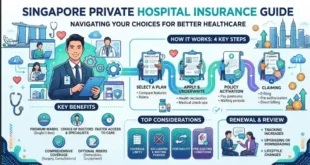
Singapore’s healthcare system is consistently ranked among the best in the world, but for newcomers and even long-time residents, the process of seeing a doctor can feel like navigating a maze of clinics, referrals, and subsidy schemes. This Singapore hospital consultation guide walks you through how the system is structured, what a visit actually costs, how to book an appointment at a public hospital, and when it makes sense to go private instead.
Key Takeaways
- Public hospitals cost far less than private ones for citizens and PRs, but waiting times can stretch from weeks to months for non-urgent cases.
- Foreigners pay the full unsubsidized rate at public hospitals, which is often still cheaper than private care for routine visits.
- Polyclinics are your first stop for non-emergencies — they cost a fraction of a specialist consult and issue the referrals you need.
- You generally need a referral to get subsidized rates at a public hospital’s Specialist Outpatient Clinic (SOC).
- Emergency departments are for emergencies only — a true emergency costs a flat fee, but a non-emergency visit is charged at a higher rate.
- Bring your NRIC, FIN, or passport, plus any insurance cards, to every appointment.
How Singapore’s Healthcare System Is Organized
Singapore runs a dual-track system: heavily subsidized public care and fully private care. The public side is anchored by three clusters — SingHealth, the National Healthcare Group (NHG), and the National University Health System (NUHS) — which operate the country’s public hospitals, polyclinics, and specialist centers. Private care is delivered by hospitals such as Mount Elizabeth, Gleneagles, Raffles, and Parkway East.
For most residents, the practical path runs polyclinic → specialist → hospital, though you can enter at any point if you’re willing to pay more or if your situation is urgent.
Public vs. Private at a Glance
| Factor | Public Hospital | Private Hospital |
|---|---|---|
| Cost (citizen, subsidized) | Low | High |
| Cost (foreigner) | Moderate | High |
| Waiting time (non-urgent) | Weeks to months | Days |
| Doctor choice | Limited | Wide |
| Subsidies available | Yes (citizens/PRs) | No |
| Emergency care | 24/7, all major hospitals | 24/7, most private hospitals |
What a Consultation Actually Costs
Costs depend on your residency status, whether you have a referral, and which ward class or clinic you choose. The figures below are typical ranges in Singapore dollars; exact fees vary by hospital and are updated periodically.
| Visit Type | Citizen/PR (Subsidized) | Foreigner |
|---|---|---|
| Polyclinic consult | S$15–S$30 | S$50–S$90 |
| Public SOC (with referral) | S$40–S$80 | S$120–S$200 |
| Public SOC (no referral) | S$110–S$160 | S$150–S$250 |
| Private specialist | S$150–S$350 | S$150–S$350 |
| A&E (public, non-emergency) | S$130–S$200 | S$130–S$200 |
Warning: A&E fees are tiered. If you show up at a public emergency department with a non-emergency complaint, you’ll be charged the higher “non-emergency” rate — sometimes double the emergency fee. Call ahead or visit a 24-hour clinic instead.
What Drives the Cost Up
- No referral letter — you lose the subsidy at public SOCs.
- Private hospital choice — no government subsidy applies, ever.
- Tests and imaging — an MRI or CT scan can add S$300–S$1,500 on top of the consult.
- Medication — public hospital pharmacies are cheaper than private ones for the same drug.
Booking a Public Hospital Appointment
Public hospital specialist appointments are booked through the hospital’s own online portal or by phone. SingHealth, NHG, and NUHS each run their own booking systems, and you’ll need a referral from a polyclinic, GP, or another specialist to get the subsidized rate.
Step-by-Step Booking
- Get a referral from a polyclinic or participating GP (CHAS clinics can refer).
- Wait for the hospital to contact you — public hospitals usually call or SMS within a few days to schedule.
- Confirm your appointment through the hospital’s app (HealthHub for SingHealth/NHG, or the individual hospital portal).
- Prepare documents: NRIC/FIN/passport, referral letter, medication list, insurance details.
- Arrive 15–20 minutes early for registration and payment.
If You Have No Referral
You can still walk into a public SOC as a private patient within the public system. You’ll pay the unsubsidized rate but often get a faster appointment. This is a common middle path for foreigners and PRs who don’t want private hospital prices.
Choosing Between Public and Private Care
The right choice depends on urgency, budget, and whether you need a specific doctor.
Go Public If:
- Your condition is non-urgent and you can wait.
- You’re a citizen or PR and want subsidies.
- You need long-term management (diabetes, hypertension, follow-ups).
- You want access to national specialty centers like the National Heart Centre or National Cancer Centre.
Go Private If:
- You need to be seen within days.
- You want a specific doctor by name.
- Your insurance covers it (many Integrated Shield Plans do).
- You’re a foreigner without a referral and want convenience.
Pro Tip: If you hold an Integrated Shield Plan with a rider, check whether it covers private hospital outpatient visits — many only cover inpatient care, so a private specialist consult may come out of pocket.
Using HealthHub and Hospital Apps
Singapore’s HealthHub app (run by Synapxe, the national health tech agency) lets you view appointments, lab results, medication records, and bills across public institutions. Most public hospitals also have their own apps for booking and queue tracking.
Download HealthHub if you’re a citizen or PR — it’s the fastest way to check an appointment slot or reschedule without calling.
What to Bring to Your Appointment
Missing documents is the most common reason for delays at registration.
- NRIC (citizens/PRs), FIN (work pass holders), or passport (tourists/foreigners)
- Referral letter (if you have one)
- Medication list or the actual medication boxes
- Insurance card and policy number
- Payment method — cash, NETS, or credit card
- Previous test results or imaging CDs if relevant
Understanding Subsidies and Schemes
Singapore’s subsidies are means-tested and residency-based. The main ones:
- CHAS (Community Health Assist Scheme) — subsidized GP and dental care at participating clinics for citizens and some PRs.
- MediSave — your mandatory medical savings account, usable for certain outpatient scans and treatments.
- MediShield Life — basic national health insurance for large hospital bills.
- Integrated Shield Plans — optional private top-ups sold by insurers.
- Pioneer and Merdeka Generation — extra subsidies for older citizens.
For a full breakdown of eligibility, the Ministry of Health publishes the current subsidy framework and CHAS criteria on its CHAS subsidy information page.
Waiting Times: What to Expect
| Care Type | Typical Wait |
|---|---|
| Polyclinic (walk-in) | 30–90 minutes |
| Polyclinic (appointment) | 15–45 minutes |
| Public SOC (subsidized) | 4–12 weeks |
| Public SOC (private rate) | 1–3 weeks |
| Private specialist | 1–7 days |
| A&E (public, urgent) | 1–4 hours |
| A&E (public, non-urgent) | 2–6 hours |
Wait times spike on Monday mornings and after public holidays. Book mid-week, mid-morning slots where possible.
Special Cases: Foreigners, Expats, and Tourists
Foreigners pay unsubsidized rates everywhere in the public system, but public hospitals are still usually cheaper than private ones for routine care. Travel insurance is essential for tourists — a single A&E visit can run S$300–S$800 before any treatment.
Expats on Employment Passes typically rely on employer-provided insurance. Check whether your plan directs you to a panel clinic or lets you choose freely; going off-panel usually means paying upfront and claiming back.
Pro Tip: Keep every receipt and discharge summary. Insurers almost always require itemized bills for reimbursement, and public hospitals can take a week or more to issue them after a complex visit.
Frequently Asked Questions
Do I need a referral to see a specialist in Singapore?
For subsidized rates at a public hospital, yes — a polyclinic or GP referral is required. Without one, you can still book as a private patient within the public system, but you’ll pay the higher unsubsidized rate.
How much does a specialist consultation cost in Singapore?
Public hospital SOC visits run roughly S$40–S$80 for subsidized citizens and PRs, and S$120–S$250 for foreigners. Private specialists typically charge S$150–S$350 per consult, before any tests.
Can foreigners use public hospitals in Singapore?
Yes. Foreigners can walk into any public hospital or polyclinic, but they pay the full unsubsidized rate. Public care is usually still cheaper than private for routine visits.
How long do I wait for a public hospital appointment?
Non-urgent subsidized appointments typically take 4–12 weeks. If you pay the private rate within the public system, you can often be seen in 1–3 weeks. Urgent cases are triaged faster.
What should I bring to a Singapore hospital consultation?
Bring your NRIC, FIN, or passport; your referral letter; a medication list; insurance details; and a payment method. Previous test results or imaging help the doctor avoid repeating tests.
Is it cheaper to go to a polyclinic or a GP?
Polyclinics are usually cheaper for citizens and PRs, especially with CHAS subsidies. Private GPs cost more but often have shorter waits and more flexible hours, including evenings and weekends.
Quick Comparison: Where to Go for What
| Situation | Best First Stop |
|---|---|
| Fever, cough, minor injury | Polyclinic or CHAS GP |
| Chronic condition follow-up | Polyclinic → public SOC |
| Suspected fracture | A&E or 24-hour clinic |
| Chest pain, stroke signs | Call 995 / nearest A&E |
| Second opinion on diagnosis | Private specialist |
| Vaccination, health screening | Polyclinic or GP |
If you’re unsure where to start, call the polyclinic nearest you or check your Integrated Shield Plan’s panel list before booking — one phone call often saves both time and money.