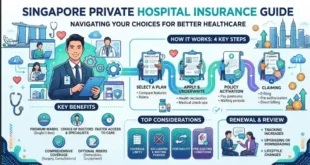
Medical insurance in Singapore for surgery works on a simple rule: the plan pays for treatment that is medically necessary, and a pre-authorization or a Letter of Guarantee is what lets you skip paying cash upfront at the hospital. Without that approval, you’ll pay first and claim back later.
What medically necessary surgery means for insurance
The phrase sounds vague, but insurers define it tightly. Treatment is medically necessary when it’s needed to diagnose or treat a condition, follows accepted medical practice, and isn’t mainly for comfort or appearance. A nose job for looks usually fails this test. A nose job to fix a blocked airway after an injury often passes it.
This is where most people get surprised. They buy a plan, assume “surgery is covered,” then find out the specific procedure sits outside the benefit schedule. Coverage isn’t a yes-or-no switch — it’s a list.
Two systems run side by side here. MediShield Life is the national scheme every Singapore Citizen and Permanent Resident holds, and it covers subsidized treatment in public hospitals. Integrated Shield Plans are private add-ons sold by insurers, and they cover higher ward classes and private hospitals.
The common misconception is that having both means everything is paid for. They overlap, and they don’t stack the way people expect. You claim from one, then the other tops up the difference — you don’t get paid twice for the same bill.
How to claim for surgery, step by step
The order you do things in matters more than the paperwork itself. Start early, because approval takes time and hospitals won’t wait.
- Get the diagnosis and the procedure code. Ask your specialist for the exact procedure name and the ICD or MOH Table of Surgical Practice code. You’ll need this for every form.
- Call your insurer’s hotline before booking. Tell them the procedure, the hospital, and the date. Ask one question: “Do I need pre-authorization for this?”
- Submit the pre-authorization form. Your doctor fills in the clinical part; you fill in the policy part. Send it 5 to 10 working days before the surgery date if you can.
- Wait for the Letter of Guarantee. If approved, the insurer sends the hospital a LOG. This is the document that lets you admit without a cash deposit.
- Confirm what the LOG actually covers. It may cover the surgeon and the room but exclude the anesthesiologist or a specific implant. Ask for the excluded items in writing.
- Pay only what’s left. This is your deductible and co-insurance, plus anything outside the LOG. Settle it at discharge.
- File the balance claim within the deadline. Most insurers set a window for submitting final bills — check your policy wording, because the number differs by insurer and by plan.
The judgement call that decides everything is step 5. A LOG that covers 80% of the bill isn’t the same as full coverage, and the gap is where people get caught.
If the surgery is for a condition you already had before you bought the plan, it may sit under a waiting period or be excluded entirely. That’s not a DIY fix — talk to your insurer’s claims team or a licensed financial adviser, not the hospital cashier.
Surgery coverage numbers at a glance
The figures below are typical starting points, not quotes. Your own plan’s letter of guarantee and policy contract are the only numbers that bind you.
| Situation | What to use | How long | What to watch for |
|---|---|---|---|
| Day surgery, public hospital | MediShield Life + rider | Same day | Deductible still applies |
| Planned surgery, private hospital | Integrated Shield Plan | Book 1–2 weeks ahead | Pre-auth needed or you pay first |
| Emergency surgery | Any plan, admit first | Immediate | Notify insurer within 24–48 hours |
| Surgery overseas | Travel or global plan | Varies by plan | Most Shield plans don’t cover it |
| Pre-existing condition | Check waiting period | Often 12–24 months | May be excluded for life |
| Cosmetic procedure | Usually not covered | — | Only covered if reconstructive |
Where good claims go right
The people who get clean claims do the boring work early. They photograph every receipt the day they get it, they keep the discharge summary, and they note the name of the person they spoke to on the hotline along with the date.
They also read the benefit schedule before the surgery, not after. If a procedure sits at a sub-limit, they know the ceiling going in and plan for the gap.
The order that saves money
Claim from the plan that covers the biggest share first. For a private hospital bill, that’s usually the Integrated Shield Plan. MediShield Life then handles the portion it’s designed for. Doing it the other way round creates a paper trail that takes longer to untangle.
What to leave alone
Don’t upgrade your ward class after admission without telling the insurer. A change from a B1 ward to a private room can void the LOG terms you agreed to. If you want the upgrade, call first and get it confirmed in writing.
When a claim gets rejected or delayed
Rejections are rarely random. They trace back to a handful of causes, and most of them are fixable.
| What you notice | What it usually means | What to do first |
|---|---|---|
| Claim rejected as “not medically necessary” | Insurer disagrees the surgery was needed | Ask your doctor for a written clinical justification |
| Only part of the bill paid | Deductible, co-insurance, or a sub-limit | Request the itemized breakdown from the hospital |
| Claim delayed past 2 weeks | Missing documents | Call and ask which specific document is outstanding |
| Pre-existing condition exclusion applied | Condition existed before cover started | Check your policy’s definition and appeal in writing |
| Procedure not on the schedule | Benefit not included in your plan | Ask if a rider or upgrade covers it |
The rules that apply here
MediShield Life is administered by the Central Provident Fund (CPF) Board, and its claim limits, deductibles and ward-class rules are published there — check the CPF Board’s own pages for the current figures, because they’re reviewed periodically and any number printed elsewhere can go stale.
Integrated Shield Plans are regulated by the Monetary Authority of Singapore (MAS), which sets what insurers can and can’t do with your premiums and your claims. If you have a dispute you can’t resolve with the insurer, MAS publishes the complaints channel.
One limit worth knowing: most Shield plans don’t cover surgery performed outside Singapore. If you’re treated abroad, that’s a travel insurance or international health plan question, not a Shield one. For anything involving a dispute over a large bill, a licensed financial adviser or the Financial Industry Disputes Resolution Centre handles it properly — not a hospital counter.
Keeping your cover working
Once the surgery is done and the claim is settled, keep the discharge summary and the final bill together in one file. You’ll need them if you claim from a second insurer, or if the same condition needs follow-up surgery later.
Check your policy annually, usually around your renewal date. Premiums for Integrated Shield Plans rise with age, and the rider you bought at 30 may not be the right one at 50. If a follow-up procedure is coming, ask the insurer to confirm coverage in writing before you book it — a quick email now saves a long argument later.
The sign your cover needs attention isn’t a date on a calendar. It’s any change in your health, your job, or your dependents.
When this approach isn’t right
If you’re going abroad for surgery because it’s cheaper, a Singapore Shield plan is the wrong tool. You need an international health plan or travel medical cover, arranged before you fly. Buy it before you book the procedure, not after — cover started once you’re already overseas usually excludes the very trip you bought it for.
If the procedure is cosmetic and not reconstructive, no Shield plan will touch it. Budget for it as a personal expense. The line between the two is narrower than people expect: a nose job to change how you look is cosmetic, the same operation to restore breathing after an injury is not. Ask the surgeon which one yours is being coded as, because that code decides the claim.
And if you’re uninsured and facing a large bill, don’t start by shopping for a plan — the pre-existing condition will likely be excluded. Talk to a medical social worker at a public hospital about subsidies and MediFund instead. That route is slow and means-tested, so start it the week you get the bill, not the week it falls due.
Frequently asked questions
Can I use my Singapore insurance for surgery at a private hospital?
Yes, if you hold an Integrated Shield Plan that covers private hospitals. MediShield Life alone won’t cover a private hospital bill in full. Get a Letter of Guarantee before admission, or you’ll pay the deposit yourself and claim back afterward.
How long does pre-authorization take?
Usually 5 to 10 working days for planned surgery, assuming your doctor sends complete clinical documents. Emergency cases are handled after admission instead — notify your insurer within 24 to 48 hours. Check your own policy wording, because the window differs by insurer.
Why was my surgery claim rejected?
The most common reason is that the insurer judged the procedure not medically necessary, or it fell under a pre-existing condition exclusion. Missing documents also cause rejections. Ask the insurer for the specific reason in writing, then appeal with a letter from your specialist.
Is it safe to admit without a Letter of Guarantee?
It’s safe medically, but expensive financially. Without a LOG, the hospital asks for a cash deposit, and you claim reimbursement later. You’ll still be treated. You just carry the cash flow in the meantime.
What happens if I need surgery overseas?
Most Singapore Shield plans don’t cover it. You’d rely on travel insurance or an international health plan, which must be bought before the trip. Check the territorial limits in your policy — some plans cover emergency treatment abroad for a short period only.
How much of the bill will I still pay?
You’ll pay your annual deductible plus co-insurance, and anything above a sub-limit. The exact split depends on your plan and ward class, so read your benefit schedule. The hospital’s business office can give you an estimate before admission if you ask.
Can I claim from two insurers for the same surgery?
You can claim from both, but you can’t profit. One pays first, then the second tops up the remaining eligible amount. Submit the original bills to the first insurer and certified copies plus the settlement letter to the second.
Conclusion
Surgery in Singapore is coverable, but only when you do the paperwork before the scalpel comes out. Get the procedure code, get the pre-authorization, and read what the Letter of Guarantee actually leaves out. The gap between a smooth claim and a rejected one is almost always a phone call you made too late.