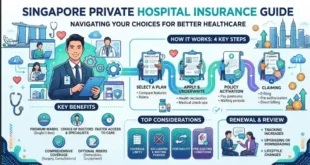
When it comes to your health, having the right hospital insurance coverage in Singapore can make all the difference. But understanding how these plans work isn’t always easy.
You might wonder what’s covered, what’s not, and how to choose the best option for you and your family. This guide breaks down everything you need to know, in simple terms, so you can feel confident about your protection. Keep reading to discover how to secure your peace of mind without any confusion.
Types Of Hospital Insurance In Singapore
Hospital insurance in Singapore covers medical bills during hospital stays. Different types exist to meet diverse needs. Understanding each helps in choosing the right plan. Here are the main types of hospital insurance available.
Private Hospital Insurance
Private hospital insurance offers coverage for stays in private hospitals. It usually covers higher room classes and more comfort. This insurance often includes additional benefits like specialist treatments. It is suitable for those who prefer private healthcare options.
Medishield Life
MediShield Life is a basic health insurance plan. It helps pay for large hospital bills and selected outpatient treatments. This plan covers all Singapore citizens and permanent residents. Premiums are affordable and may be reduced with government subsidies.
Integrated Shield Plans
Integrated Shield Plans build on MediShield Life coverage. They offer extra protection and access to private hospitals. These plans are sold by private insurers and come with higher premiums. Many people choose this plan for better hospital stays and wider coverage.
Eldershield And Careshield Life
ElderShield provides financial support for severe disability care. It offers monthly payouts to help with long-term care costs. CareShield Life replaces ElderShield and improves benefits. It covers more people with higher payouts and lifelong support.
Coverage Features And Benefits
Hospital insurance in Singapore offers various features and benefits. These protect you from high medical costs during hospital stays. Understanding what is covered helps you choose the right plan. Coverage includes hospital stays, surgeries, and treatments outside the hospital. Each feature helps reduce your out-of-pocket expenses.
Inpatient And Day Surgery Coverage
Inpatient coverage pays for hospital stays due to illness or injury. It includes room charges, nursing care, and surgeries. Day surgery coverage applies when you have surgery without staying overnight. Both types cover hospital fees and related medical costs. This coverage ensures you get needed treatment without financial stress.
Pre- And Post-hospitalization Benefits
Pre-hospitalization benefits cover tests and consultations before admission. Post-hospitalization benefits cover follow-up visits and medications after discharge. These benefits reduce costs outside your hospital stay. They help you recover fully without extra financial burden. Coverage usually lasts for a set number of days before and after hospital care.
Room And Board Options
Room and board coverage pays for your hospital room. Options vary from standard wards to private rooms. Higher coverage means access to more comfortable rooms. Choosing the right option depends on your budget and preferences. This feature ensures your stay is as comfortable as possible.
Outpatient Treatment Coverage
Outpatient coverage pays for treatments without hospital admission. This includes specialist visits, diagnostic tests, and therapies. It helps manage health issues early, avoiding hospital stays. Coverage reduces costs for regular medical care. This feature supports ongoing health management and quick recovery.
Eligibility And Enrollment Criteria
Understanding eligibility and enrollment criteria is key to getting hospital insurance in Singapore. These rules explain who can apply and how to sign up. They help you plan and avoid surprises later. Knowing these details saves time and effort.
Age Limits And Requirements
Most hospital insurance plans have age limits. Usually, applicants must be at least 21 years old. The upper age limit varies by plan, often around 75 years. Some plans accept older applicants but with special conditions. Age affects premiums and coverage options.
Applicants must also be Singapore citizens or permanent residents. Some plans accept foreign workers with valid permits. Proof of identity and residency is required during application. This ensures the right people get coverage.
Medical Underwriting Process
Medical underwriting checks your health before approval. You may need to fill out a health questionnaire. Some plans require a medical check-up or test results. This process helps insurers assess risk and set premiums.
Pre-existing conditions can affect eligibility. Some insurers exclude coverage for certain illnesses. Others may charge higher premiums or require waiting periods. Honest disclosure is important to avoid claim issues later.
Enrollment Periods And Deadlines
Enrollment periods are set times to apply for hospital insurance. These periods may be annual or ongoing, depending on the insurer. Missing deadlines can delay coverage start dates. Some plans allow enrollment anytime but may have higher costs.
Newborns and new residents have special enrollment rules. They usually get a grace period to apply after birth or arrival. Early enrollment helps avoid coverage gaps. Check each plan’s deadlines carefully before applying.
Claim Process And Reimbursement
The claim process and reimbursement are key parts of hospital insurance in Singapore. Understanding how to file claims helps you get money back quickly. It also reduces stress during hospital visits.
This section explains the steps to file a claim, the documents needed, and how long it takes to receive payment. Clear knowledge of these points lets you manage your insurance better.
Filing Claims Step by step
Start by informing your insurer about the hospital stay. Use the insurer’s online portal or call their customer service. Fill out the claim form carefully with your personal and treatment details.
Attach all required documents and submit the claim. Keep copies of everything for your records. Follow up with the insurer if you do not hear back within a few days.
Required Documentation
Submit your hospital bill and discharge summary. Provide the original receipts for all medical expenses. Include doctor’s notes or referrals if asked.
Some insurers may require your identity card or insurance policy number. Double-check the insurer’s list of required documents before submission. Missing papers can delay your claim.
Claim Timelines And Payouts
Claims usually take 7 to 14 days to process. Some insurers offer faster payouts for online claims. Expect the reimbursement to be credited to your bank account or sent by check.
If your claim is rejected, the insurer must explain why. You can appeal or provide more information to resolve issues. Keep track of all claim communications for reference.
Premiums And Payment Options
Understanding premiums and payment options is key to managing hospital insurance in Singapore. Premiums are the amounts you pay regularly for your coverage. How you pay and how much depends on several factors. Knowing these details helps you plan your healthcare budget better.
Factors Affecting Premium Costs
Age plays a big role in determining your premium. Older people usually pay more. Your health condition also matters. If you have existing illnesses, premiums may be higher. The type of plan you choose impacts cost too. Plans with more benefits cost more. The insurer’s rules and market trends can change premiums as well.
Payment Frequency Choices
You can pay premiums monthly, quarterly, or yearly. Monthly payments spread out the cost over time. Yearly payments often offer small discounts. Choose what fits your budget and convenience. Some insurers allow automatic bank deductions. This avoids missed payments and keeps coverage active.
Government Subsidies And Support
The Singapore government offers subsidies to lower premiums for many citizens. These help make hospital insurance affordable. Subsidies depend on your income and household size. Some schemes provide extra support for seniors. Check eligibility to benefit from these programs. They reduce your financial burden significantly.
Exclusions And Limitations
Understanding the exclusions and limitations in Singapore hospital insurance is important. These rules define what your policy will not cover. Knowing them helps you avoid surprises during claims.
Exclusions and limitations vary by policy but often share common features. They protect insurers from high risks and help keep premiums affordable. This section breaks down key exclusions and limits.
Common Excluded Conditions
Many policies exclude pre-existing illnesses. These are health issues diagnosed before the policy starts. Some mental health treatments are not covered. Cosmetic surgery and experimental treatments often fall outside coverage. Coverage may also exclude injuries from risky activities like extreme sports.
Waiting Periods
Waiting periods prevent immediate claims after buying insurance. For example, you might wait 30 to 90 days before coverage begins. Certain illnesses or treatments may have longer waiting times. This rule stops people from buying insurance only when sick. Waiting periods differ across policies and conditions.
Policy Renewal Restrictions
Insurance companies can limit policy renewals. Some policies renew automatically until a certain age, like 70. After this age, coverage may stop or change. Renewal may depend on health status, which can affect premiums. Always check renewal terms before buying a policy.
Comparing Plans And Providers
Choosing hospital insurance in Singapore requires comparing different plans and providers carefully. Each company offers various benefits and costs. Understanding these differences helps you pick coverage that fits your needs and budget.
Comparing plans involves looking at coverage limits, premiums, and extra features. Not all plans cover the same treatments or hospitals. Some may have higher deductibles, while others include added perks like outpatient care.
Top Insurance Companies In Singapore
Several trusted insurers provide hospital plans in Singapore. These include NTUC Income, AIA, Great Eastern, and AXA. Each company has a strong reputation and offers a range of plan options. Choosing a well-known provider ensures reliability and good customer service.
Plan Features Comparison
Look at what each plan covers before deciding. Check room types, surgery coverage, and daily hospital cash benefits. Some plans cover pre- and post-hospitalization treatments. Others offer riders for critical illness or outpatient care. Compare premium costs alongside these features to see value for money.
Choosing The Right Plan For You
Think about your health needs and financial situation. A basic plan might suit younger, healthy individuals. Families or older adults may need more comprehensive coverage. Consider hospital preferences and any chronic conditions. Make sure the plan covers your preferred hospitals and treatments.
Recent Changes And 2026 Updates
Singapore’s hospital insurance has seen important updates recently. These changes aim to improve coverage and keep policies fair. New rules and benefits will take effect by 2026. This helps policyholders get better support in times of need. Understanding these updates is key for all insured individuals.
Regulatory Adjustments
The government has set new rules for hospital insurance. These rules ensure transparency and protect consumers. Insurers must follow stricter guidelines on pricing and claims. This creates a fairer market for everyone. Some policies may have adjusted premiums to match the new rules.
New Benefits Introduced
New benefits focus on covering more medical costs. These include coverage for outpatient treatments and certain therapies. Mental health support is also expanded in some plans. Policyholders can now access a wider range of services. These benefits help reduce out-of-pocket expenses during hospital stays.
Impact On Policyholders
Policyholders may see changes in their coverage and costs. Some will enjoy better protection with added benefits. Others might face slight premium increases due to new rules. It is important to review your policy details carefully. Staying informed helps you choose the right plan for your needs.
Frequently Asked Questions
What Does Singapore Hospital Insurance Cover?
Singapore hospital insurance covers hospital room charges, surgery fees, medication, and daily ward allowances. It helps reduce out-of-pocket expenses during hospital stays.
How Much Does Hospital Insurance Cost In Singapore?
Hospital insurance costs vary by plan, age, and coverage level. Basic plans start around $100 annually, while comprehensive ones can cost more.
Are Pre-existing Conditions Covered By Hospital Insurance?
Most hospital insurance plans in Singapore exclude pre-existing conditions initially. Coverage may apply after a waiting period, depending on the insurer’s terms.
Can I Use Hospital Insurance At Public And Private Hospitals?
Yes, hospital insurance can be used at both public and private hospitals. However, benefits and claim limits might differ between hospital types.
Conclusion
Understanding Singapore hospital insurance helps you prepare for medical costs. Different plans cover various treatments and hospital stays. Choose a plan that matches your health needs and budget. Keep track of what each policy covers and the claim process. This knowledge gives peace of mind during health emergencies.
Stay informed and review your coverage regularly to avoid surprises. Protect yourself and your family with the right insurance. Simple steps make a big difference in handling hospital expenses.