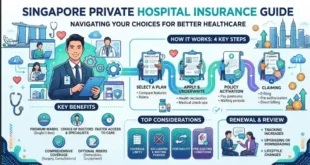
Tan Tock Seng Hospital is widely considered one of the Best Hospitals in Singapore for Affordable Private Care because it balances high-quality medical standards with a transparent, tiered billing system designed for local residents. While public hospitals offer private wards, those seeking specialized luxury services or specific international surgeons often find that private institutions like Mount Elizabeth provide a more tailored, albeit costlier, experience. If you’re a permanent resident, you should always check if your specific insurance plan covers private ward stays to avoid unexpected out-of-pocket bills.
Finding Affordable Private Hospitals in Singapore
Patients often struggle to choose between public and private facilities because the service levels differ significantly while the clinical outcomes remain high across the country. Public hospitals operate under government oversight, ensuring that costs are regulated and predictable, whereas private hospitals focus on comfort, speed, and elective procedures.
| Method | How long | Effort | Cost | Best for |
|---|---|---|---|---|
| Public Private Ward | 2-4 weeks | Moderate | Medium | Complex surgery |
| Private Hospital | 1-3 days | Low | High | Elective care |
| Community Clinic | Same day | Minimal | Low | Minor ailments |
If you choose a public private ward, you gain access to the same medical staff as subsidized patients but with shorter wait times for non-emergency appointments. However, a major trade-off exists: you pay full unsubsidized rates for the room and nursing services. This isn’t for those looking for hotel-like amenities, as public facilities prioritize clinical function over interior design. Many people make the mistake of assuming all private care costs the same regardless of the facility, which can cost them thousands in unplanned expenses if they don’t verify their insurance coverage limits beforehand.
Public Hospital Private Wards
Selecting a private ward within a public institution provides the safety of a major medical center with more privacy. You follow these steps to secure your spot:
- Request a private ward referral through your primary doctor or the hospital’s central admissions office.
- Provide your identification and insurance documents to the billing department to verify your coverage tier.
- Confirm the estimated daily room rate, which varies by facility and ward type, before signing the admission forms.
- Schedule your follow-up appointments through the hospital’s patient portal to ensure continuity of care.
Most patients make the mistake of assuming private ward status grants them priority access to operating theaters. In reality, clinical urgency dictates your surgery time, not your room choice. If your condition is non-critical, you may wait as long as a subsidized patient for a specialist consultation.
Use this decision rule: Choose a private ward if you require a quiet environment to minimize post-operative infection risks or need frequent, private family consultations. If you’re seeking faster access to elective procedures, a private ward won’t provide a shortcut.
These wards are excellent for long-term recovery where you need constant access to specialist teams. The limitation is that they don’t offer the same level of luxury as dedicated private hospitals, and you must adhere to strict visiting hours. Always check the official website of the Ministry of Health Singapore to understand current fee benchmarks and government subsidies.
Private Hospital Specialized Care
Private hospitals are built for patients who prioritize speed, elective surgical options, and personalized attention. These facilities offer a streamlined path for those who don’t want to navigate the public waiting lists.
- Contact the hospital’s international or private patient concierge to discuss your specific medical needs.
- Get a written quote from the surgeon’s office that includes professional fees, anesthesia, and facility charges.
- Submit your medical history and insurance pre-authorization form to the hospital billing team at least 72 hours before your arrival.
- Arrive at the designated private admission suite for your pre-operative assessment and room orientation.
The primary strength of this path is the ability to choose your own consultant and schedule procedures at your convenience. A common mistake is assuming that a “fixed-price” package covers every contingency. If a complication requires an unplanned overnight stay in the Intensive Care Unit, you may be billed at an hourly rate that exceeds your original estimate by 20% or more.
The decision rule is simple: if you’re undergoing a routine procedure, opt for a bundled package to lock in costs. If your condition is complex or carries high surgical risk, request an itemized billing estimate instead. This allows you to identify which services are capped and which are subject to “as-incurred” market pricing.
A downside is the lack of government-mandated price caps, which means bills can fluctuate based on the specific surgeon’s expertise and the duration of your stay. This varies by model — check the label or the hospital’s price transparency list to see if they include surgeon fees in their package deals.
Community Health and Specialist Clinics
For non-emergency issues, community-based specialist clinics often serve as a more affordable bridge between primary care and major hospital admissions. This method is ideal for diagnostic tests or follow-up consultations that don’t require an overnight stay.
- Search for a clinic that specializes in your specific health concern, such as cardiology or orthopedics.
- Call the clinic to ask for their consultation fee and whether they’re part of your insurance panel.
- Book your appointment and bring all your previous medical reports to reduce the need for repeat testing.
- Settle the payment at the reception desk, ensuring you receive an itemized receipt for your insurance claims.
These clinics are highly efficient for routine procedures and chronic disease management. They aren’t equipped for major surgeries or intensive care. If your condition worsens during treatment, you must move to a hospital, which can lead to redundant administrative tasks. If you’re doing this for the first time, start with a clinic recommended by your general practitioner to ensure you’re seeing a verified specialist.
Choosing Your Care Path
Deciding where to seek treatment depends heavily on your immediate needs and your budget. If you’re in a hurry, private hospitals offer the fastest access to surgeons and diagnostic imaging. For first-time patients, public private wards provide the most reliable balance of cost and clinical oversight. If you want the best possible result regardless of the financial cost, specialized private centers remain the industry standard.
The trade-off is always between speed and expense. If you choose a private hospital, you pay for the convenience of immediate scheduling and personal service. If you choose a public ward, you trade some luxury for lower costs and the security of a large, government-regulated medical system.
A common mistake is assuming insurance covers the full bill. Most policies include a deductible or a co-pay that can reach 20% of the total procedure cost. Before booking, ask the billing department for the specific procedure codes used by the hospital. Cross-reference these codes with your provider to see if they are “in-network.” If they’re not, you could face an out-of-pocket bill three times higher than expected. Always confirm your coverage before booking. If you find your costs are exceeding your budget, ask the hospital administration if they offer installment plans for patients without full coverage.
Rules for All Hospital Admissions
Regardless of the facility you choose, specific rules protect your rights and ensure quality. First, always verify that your doctor is registered with the Singapore Medical Council. Check the online registry before your arrival to confirm their credentials match your specific needs.
Second, you must prepare your medical history in digital format to speed up the intake process at any facility. Having a summary of past surgeries, current allergies, and active prescriptions can help streamline the intake process.
Third, check your room status partway through your stay. If you’re moved to a different ward, the daily rates often change, which can impact your final bill. Ask the billing department to provide periodic updates on your estimated bill to avoid surprises.
If you ever feel that your treatment isn’t meeting professional standards, you have the right to request a second opinion or to speak with the hospital’s patient advocate. Never attempt to perform medical self-care at home if you have been advised to stay in a hospital; this risks your health and can void your insurance policy.
If your situation requires specialized equipment or surgery, ensure you’re in a facility that has the correct accreditation for your specific procedure. Seeking care in an unaccredited center can lead to higher risks and unnecessary financial losses. If the facility can’t produce their current accreditation certificate upon request, choose a different provider immediately.
Frequently asked questions
Can I use my insurance in a public hospital private ward?
Yes, most private medical insurance plans in Singapore cover private wards in public hospitals. You should contact your insurer to verify your specific coverage limit for “private” or “Class A” wards, as some basic plans only cover shared rooms. Always confirm this before admission to avoid unexpected costs.
How long does it take to get an appointment at a private hospital?
Most private hospitals can schedule an appointment within 24 to 48 hours for elective consultations. This varies by specialist availability; if you need a specific, high-demand surgeon, it may take up to one week. Always call the facility’s concierge to get the most accurate timeline for your specific condition.
How much does a private ward stay cost?
The cost of a private ward typically ranges from 500 to 1,000 Singapore dollars per day, excluding surgeon and medication fees. This assumes a standard room; if you require a suite or specialized monitoring equipment, the price will be significantly higher. Check the hospital’s latest price list for exact daily rates.
Is it safe to use a community clinic for surgery?
No, major surgeries should only be performed in licensed hospitals with full intensive care facilities. Community clinics are safe for minor procedures, but they lack the backup systems required for complex operations. If you’re unsure about the safety of a facility, ask to see their Ministry of Health operating license.
What happens if I can’t pay my hospital bill?
If you can’t pay your bill, you must contact the hospital’s medical social worker immediately to discuss financial assistance or payment plans. Don’t wait until your discharge date, as this limits your options. Many hospitals have dedicated funds for patients in genuine financial distress.
How often should I check my billing status?
You should request periodic summaries of your charges during a long hospital stay. This helps you track your spending against your insurance limits and allows you to catch any errors in your bill before you’re discharged.
Hospitals Singapore, in short
Choosing the right facility is a personal decision that requires balancing your medical needs with your financial situation. By verifying your insurance, comparing costs, and understanding the strengths of each facility type, you can ensure you receive high-quality care without unnecessary stress.