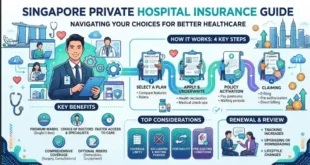
Navigating your benefits package as a healthcare worker requires a clear understanding of the coverage provided by your employer. When you research a singapore hospital employee medical insurance guide, you’ll find that costs vary significantly based on your role, tenure, and the specific group policy negotiated by the hospital management. Generally, the out-of-pocket expense for premiums paid by employees ranges from $0 to $350 per month, while the total annual coverage limits typically fall between $15,000 and $150,000 depending on your seniority level.
Key Takeaways
- Verify your Group Hospitalization and Surgical (GHS) policy details via your HR portal immediately upon onboarding.
- Check if your plan includes co-payment requirements or deductibles that apply to outpatient or inpatient care.
- Confirm if your hospital’s internal staff clinic offers subsidized consultations or medications not covered by external insurance.
- Always keep a digital copy of your e-medical card accessible on your smartphone for emergencies.
- Understand the waiting periods for pre-existing conditions if you’re switching between different insurance providers.
Understanding Your Singapore Employee Medical Insurance
Most healthcare institutions in Singapore provide a baseline of protection designed to keep their staff healthy and productive. This usually includes a GHS policy which acts as the foundation of your protection. The primary goal of these plans is to mitigate the financial burden of unexpected hospitalizations.
Common Components of Staff Policies
- Inpatient Room and Board: Usually covers up to a specific ward class, such as B1 or A-class, depending on your grade.
- Surgical Expenses: A defined limit for operating room fees, surgeon fees, and anesthesia costs.
- Outpatient Specialist Care: Coverage for follow-up visits after a hospital stay or referral-based consultations.
- Emergency Dental: Limited coverage for accidental dental injuries occurring during your employment.
How Much Does Coverage Cost?
The financial structure of your insurance is often tied to your salary grade and the specific hospital group you work for. While many hospitals subsidize the majority of the premium, some senior roles or optional dependents’ riders require a monthly contribution from your paycheck.
| Cost Category | Typical Monthly Contribution | Annual Coverage Limit |
|---|---|---|
| Basic Staff Plan | $0 – $50 | $15,000 – $50,000 |
| Mid-Level Plan | $50 – $150 | $50,000 – $100,000 |
| Senior/Executive Plan | $150 – $350 | $100,000 – $150,000 |
Utilizing Your Employee Benefits
Pro Tip: Always check your Human Resources portal before visiting a private specialist to see if they’re part of your hospital’s panel of providers. Using a panel doctor often eliminates the need for manual claims processing.
If you’re employed by a public healthcare cluster, your benefits are often governed by the Ministry of Health Singapore guidelines, which prioritize accessibility and standardized care for all staff members. You should familiarize yourself with the specific panel clinics that your hospital has partnered with, as these providers often bill the insurance company directly, saving you the hassle of filing paperwork.
What Are Your Coverage Limits?
Every policy has a ceiling, often referred to as the Annual Policy Limit. This is the maximum amount the insurer will pay for all claims within a single policy year. It’s vital to note that some plans also include “sub-limits” for specific procedures, such as diagnostic imaging or physiotherapy sessions.
Key Limitations to Watch
- Lifetime Limits: Some older policies may have a total cap on what they pay over your entire career.
- Per-Disability Limits: A cap on the amount payable for a single medical condition or injury.
- Exclusions: Standard exclusions usually include cosmetic surgery, maternity care (unless specifically added), and non-essential vaccinations.
Managing Dependent Insurance Riders
Many hospital employees wish to extend their coverage to their spouses or children. While some hospitals provide basic dependent coverage as a perk, most require you to purchase a dependent rider. These riders are essentially supplemental policies that mirror your own coverage but at a reduced group rate.
- Spouse Coverage: Usually the most expensive rider; often requires evidence of insurability if added after the initial enrollment period.
- Child Coverage: Generally more affordable; often covers pediatric consultations and vaccinations.
- Parental Coverage: Rare in most group plans; usually requires an individual private policy.
The Claims Process Explained
When you receive medical treatment, the method of payment depends on whether the provider is in your insurer’s network. If the provider is “in-network,” you typically present your staff ID or e-medical card. If the provider is “out-of-network,” you must pay upfront and seek reimbursement later.
| Step | Action | Documentation Required |
|---|---|---|
| 1 | Visit Provider | Staff ID / Medical Card |
| 2 | Settle Bill | Original Itemized Receipt |
| 3 | Submit Claim | Claim Form / Digital Portal |
| 4 | Verification | Medical Referral / Diagnostic Report |
Warning: Failure to submit your claims within the stipulated timeframe, typically 30 to 90 days, can result in the rejection of your reimbursement request.
Handling Pre-existing Conditions
One of the biggest concerns for employees is how their plan handles medical history. In most group insurance schemes, pre-existing conditions are covered from day one, provided you were fully disclosed during the enrollment phase. However, if you’re transitioning from a previous employer, you should ensure there’s no coverage gap between your old policy and your new one.
- Continuous Coverage: Ensures that your medical history doesn’t reset.
- Waiting Periods: Specific timeframes during which certain conditions aren’t covered.
- Underwriting: The process of assessing your risk profile if you opt for higher-tier coverage.
Is Private Insurance Necessary?
Many hospital employees ask if their group plan is enough. While your employer-provided insurance is robust, it’s tied to your employment. If you leave the hospital, your coverage ends. Therefore, many professionals choose to supplement their group plan with a personal Integrated Shield Plan (IP).
- Portability: Personal plans stay with you regardless of employment status.
- Customization: You can choose the level of coverage that suits your long-term health goals.
- Enhanced Benefits: Personal plans often provide better access to private hospitals and specialized treatments.
Navigating Annual Renewals
Every year, your hospital will undergo a renewal process for its group policy. This is the time when benefits may be adjusted, premiums might change, or new panel clinics may be added. You’ll typically receive an Annual Benefits Statement via email. Review this document carefully to see if your coverage tier has changed due to a promotion or a change in family status.
Troubleshooting Common Issues
If you encounter issues with your insurance, don’t panic. Most problems, such as a denied claim or an unrecognized medical card, can be resolved through your internal HR department.
- Denied Claims: Check the explanation of benefits (EOB) document; it will state exactly why the claim was rejected.
- Card Errors: Ensure your personal details on the card match your official identification documents exactly.
- Panel Discrepancies: If a clinic claims they’re no longer on your panel, ask for the date of termination and contact your insurer to verify.
Frequently Asked Questions
Does my hospital insurance cover maternity?
Maternity coverage isn’t a standard inclusion in most hospital group plans. It’s often considered an “optional rider” that you must purchase separately. If you’re planning to start a family, check your policy document to see if maternity benefits are included or if they can be added during the next enrollment window.
Can I upgrade my insurance coverage?
Yes, many hospitals allow employees to upgrade their coverage tier. This often involves paying an additional premium through a payroll deduction. You should consult your HR benefits handbook to see the specific windows for making changes to your plan, as these are usually limited to once per year or following a “qualifying life event,” such as marriage or the birth of a child.
What happens if I resign from the hospital?
Your group insurance coverage typically ceases on your last day of employment. It’s essential to ensure you have alternative coverage arranged, such as a personal private plan, before your benefits end. Some insurers offer a “portability option” that allows you to convert your group policy into an individual policy without further medical underwriting, but you must apply for this before your employment ends.
Are outpatient medications covered?
Coverage for outpatient medications depends on your specific plan. Some policies cover all prescribed medications, while others only cover those related to a specific condition or hospital stay. Always verify if your plan includes a pharmacy benefit and whether you must use specific pharmacies to be eligible for full reimbursement or direct billing.
How do I check my remaining annual limit?
You can usually track your remaining annual limit through your insurer’s mobile app or the hospital’s HR portal. These digital tools provide a real-time view of your claims history, your current deductible status, and the amount of your annual limit that has already been utilized. If you can’t access these portals, contact your hospital’s HR department for a summary report.
Conclusion
Understanding the nuances of your benefits package is an essential part of managing your long-term health and financial stability as a healthcare professional. By regularly reviewing your policy documents, staying informed about your panel network, and considering the benefits of personal supplementary coverage, you can ensure that you and your family remain protected. Take the time today to log into your HR portal and confirm your current coverage status.